Essential Vaccination Advice for Traveling Abroad from the UK
Understanding the Importance of Vaccinations
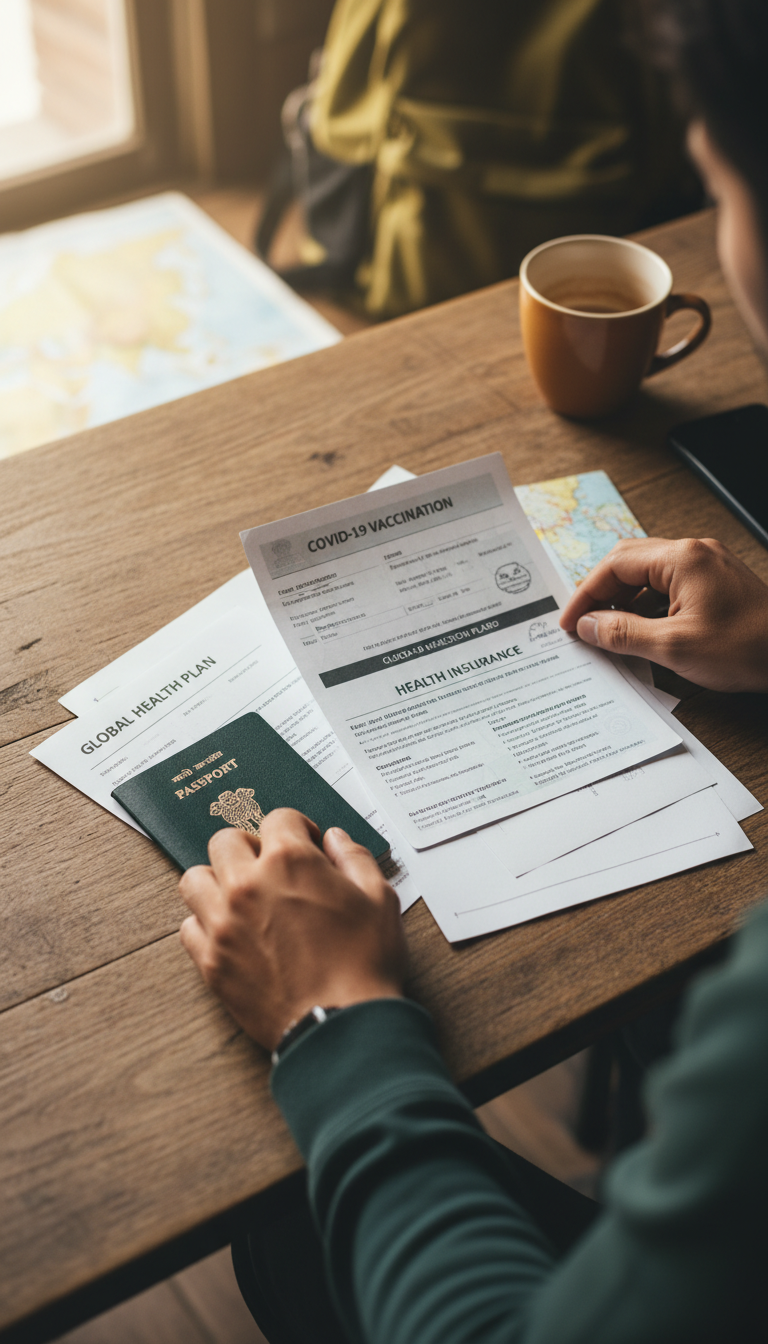
Before embarking on international travel, it's crucial to consider the necessary vaccinations. Vaccinations protect not only your health but also the well-being of those around you. Some countries require proof of specific vaccinations before entry, so it's essential to plan ahead.
Vaccinations offer protection against diseases that may not be prevalent in the UK. These diseases can vary widely depending on your destination. Consulting with a healthcare professional is a wise first step in your travel preparations.

Consulting a Healthcare Professional
It's recommended to visit a travel health clinic or your GP at least six to eight weeks before your departure. They can provide tailored advice based on your health history and travel itinerary. Some vaccinations require multiple doses or take time to become effective, so early planning is beneficial.
During your consultation, discuss any pre-existing medical conditions, as these may influence the type of vaccinations you need. Be open about your travel plans, including any rural or off-the-beaten-path destinations, as these areas might pose different health risks.
Common Travel Vaccinations
Depending on your destination, several vaccinations may be recommended or required:
- Hepatitis A and B: These are common recommendations for travelers to many parts of the world.
- Typhoid: Especially important if you're visiting areas with poor sanitation.
- Yellow Fever: Required for entry into some African and South American countries.

Special Considerations for Certain Travelers
If you're pregnant, immunocompromised, or traveling with young children, there may be additional considerations or restrictions regarding vaccinations. It's crucial to discuss these factors with a healthcare provider to ensure safe travel.
Some vaccines may not be suitable for all travelers, and alternative precautions might be necessary. For example, malaria prevention does not involve vaccination but rather prophylactic medication, which requires careful planning and adherence to dosage schedules.
Staying Informed and Prepared
Travel health advice can change, so staying informed is crucial. Websites such as the NHS Fit for Travel or the World Health Organization provide up-to-date information on health advisories and vaccination requirements.
In addition to vaccinations, consider other preventive measures such as mosquito repellent, safe food and water practices, and travel insurance that covers health-related issues. These can further protect you from illness while abroad.
Conclusion: Safe Travels
By taking the time to research and receive the appropriate vaccinations, you are investing in a safe and enjoyable travel experience. Remember, preparation is key, and being proactive about your health ensures peace of mind during your adventures abroad.
Don't leave vaccinations to the last minute. Make them an integral part of your travel planning to protect yourself and contribute to global health safety. Safe travels!