Expert Tips on Managing Medications While Traveling
Plan Ahead for a Smooth Journey
Traveling can be an exciting adventure, but managing medications while on the go requires careful planning. Before you set out, make a comprehensive list of all the medications you'll need during your trip. This includes both prescription and over-the-counter medications. Ensure you have enough supply to last for the entire duration of your travels, plus a few extra days in case of unexpected delays.
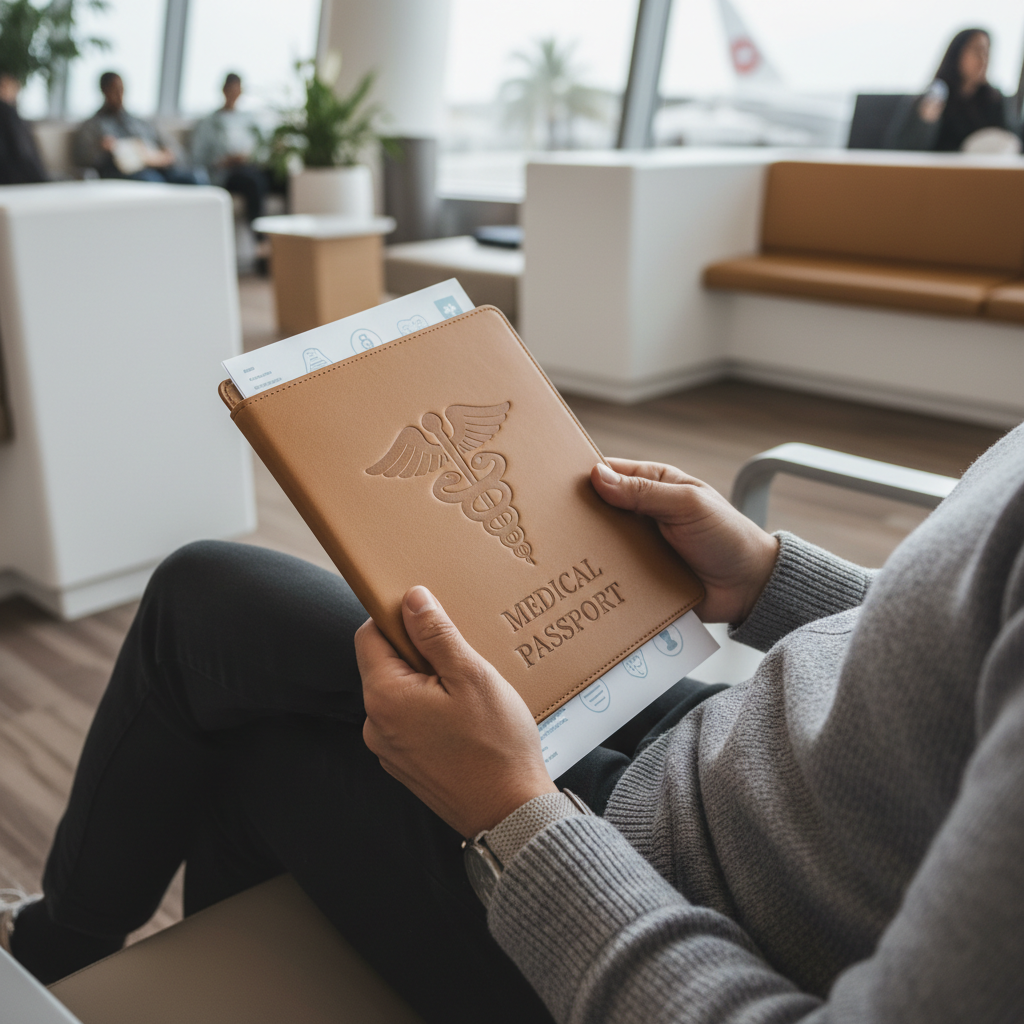
Additionally, consult with your healthcare provider about your travel plans. They can offer valuable advice on managing your medications in different time zones and climates. Also, ask for a written prescription to carry with you, just in case you need a refill while away.
Organize and Store Medications Properly
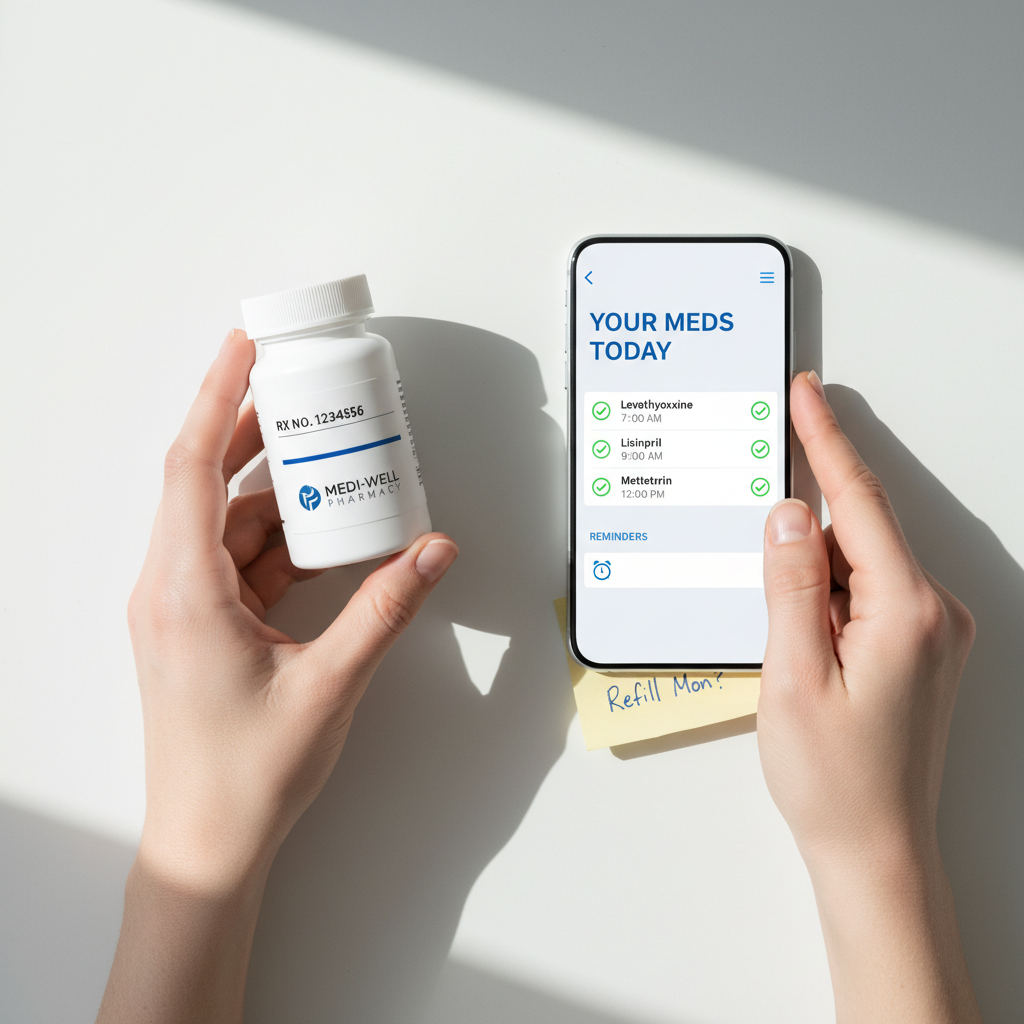
Proper organization and storage of medications are crucial when traveling. Use a dedicated pill organizer to keep track of your daily dosages. This can help you manage your medication schedule more easily and prevent missed doses.
When packing, keep your medications in their original containers with visible labels. This not only helps in identifying them easily but also avoids potential issues at customs. Always pack medications in your carry-on bag to prevent loss or damage if your luggage is delayed or lost.
Be Aware of Regulations and Restrictions
Every country has its own rules regarding the importation of medications. Before traveling, research the regulations of your destination to ensure that all your medications are allowed. Some countries have restrictions on certain substances, and carrying them could lead to legal issues.
If you're unsure about specific regulations, consult your doctor or pharmacist. Additionally, carrying a letter from your healthcare provider explaining your medical condition and the necessity of your medications can be helpful.
Managing Time Zone Changes
Adjusting to a new time zone can disrupt your medication schedule. To minimize confusion, create a schedule that aligns your medication times with the new time zone. It might be helpful to set alarms on your phone as reminders.
For medications that require precise timing, seek advice from your healthcare provider about adjusting dosages during travel. They can provide guidance on how to gradually shift your medication schedule to match the new time zone.
Stay Hydrated and Monitor Side Effects
Traveling often involves changes in diet, activity level, and climate, which can affect how your body responds to medications. Staying hydrated is essential, as dehydration can impact the effectiveness of your medications and exacerbate side effects.
Monitor yourself for any unusual side effects or symptoms, especially if you are traveling to a place with significant altitude or climate differences. If you experience any adverse effects, seek medical attention promptly.
Keep Emergency Contacts Handy
Before you travel, list emergency contacts, including your healthcare provider and a local medical facility in your destination. Keeping this information readily accessible can be crucial in case of a medical emergency.
Additionally, consider purchasing travel insurance that covers medical emergencies, including medication-related issues. This can provide peace of mind and financial protection if the unexpected occurs.