Myth-Busting: Common Misconceptions About Travel Vaccinations
Traveling is an exciting adventure, but it often requires some preparation beyond packing your bags. One aspect that frequently causes confusion is travel vaccinations. Let's set the record straight by busting some common myths about these crucial health measures.
Myth: Travel Vaccinations Are Optional
Many travelers believe that vaccinations are merely suggestions. However, this is not always the case. Certain countries require proof of vaccination against diseases like yellow fever before allowing entry. It's vital to check the vaccination requirements of your destination well in advance.

Myth: Vaccinations Are Only Needed for Exotic Destinations
While it's true that some exotic locations have specific vaccine requirements, many popular tourist destinations also pose health risks. Diseases such as measles, hepatitis A, and influenza can be prevalent in various regions worldwide. Protecting yourself with vaccines ensures a safer travel experience.
Understanding Regional Risks
Each region has its own set of potential health risks. For example:
- Tropical areas might expose travelers to malaria.
- Urban centers could have outbreaks of diseases like measles.
- Rural locations may have different health challenges compared to cities.

Myth: I’m Fully Vaccinated at Home, So I Don’t Need More
Standard vaccinations might not cover all the diseases you could encounter abroad. Travel-specific vaccinations are designed to protect against illnesses not commonly found in your home country. Consult with a healthcare professional to ensure you’re fully protected.
Consulting a Travel Clinic
Visiting a travel clinic can provide tailored advice based on your itinerary. Professionals can recommend necessary vaccinations and provide health tips specific to your destination. This personalized approach helps mitigate health risks effectively.
Myth: Vaccines Cause More Harm Than Good
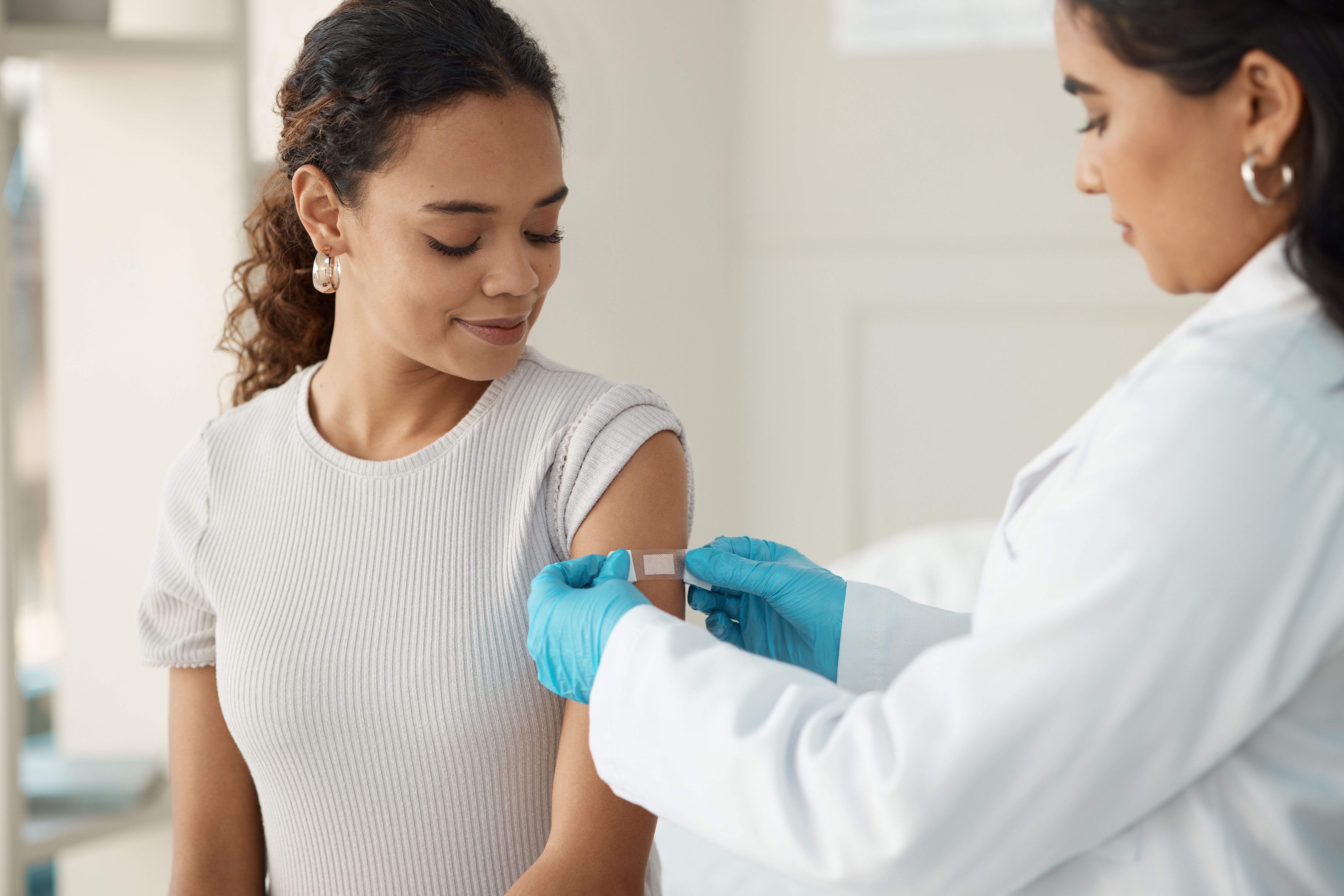
One of the most pervasive myths is that vaccines are unsafe. In reality, vaccines undergo rigorous testing to ensure safety and efficacy. Side effects are usually minor and temporary, such as soreness at the injection site. The benefits of vaccination far outweigh the risks.
Understanding Vaccine Safety
It's crucial to rely on credible sources for information about vaccine safety. Health organizations worldwide, such as the WHO and CDC, provide comprehensive data supporting the safety and importance of vaccines.
Debunking these myths highlights the importance of travel vaccinations. They are a vital part of preparing for a journey, ensuring you stay healthy and enjoy your travels to the fullest. Don’t let misconceptions put your health at risk—stay informed and protected.