Top Vaccination Advice for UK Residents Traveling Abroad
Understanding the Importance of Vaccinations
When planning a trip abroad, ensuring that your vaccinations are up-to-date is crucial for your health and safety. Vaccinations protect against diseases that may be more prevalent in other countries. As a UK resident, it's essential to be informed about which vaccinations you need before traveling.
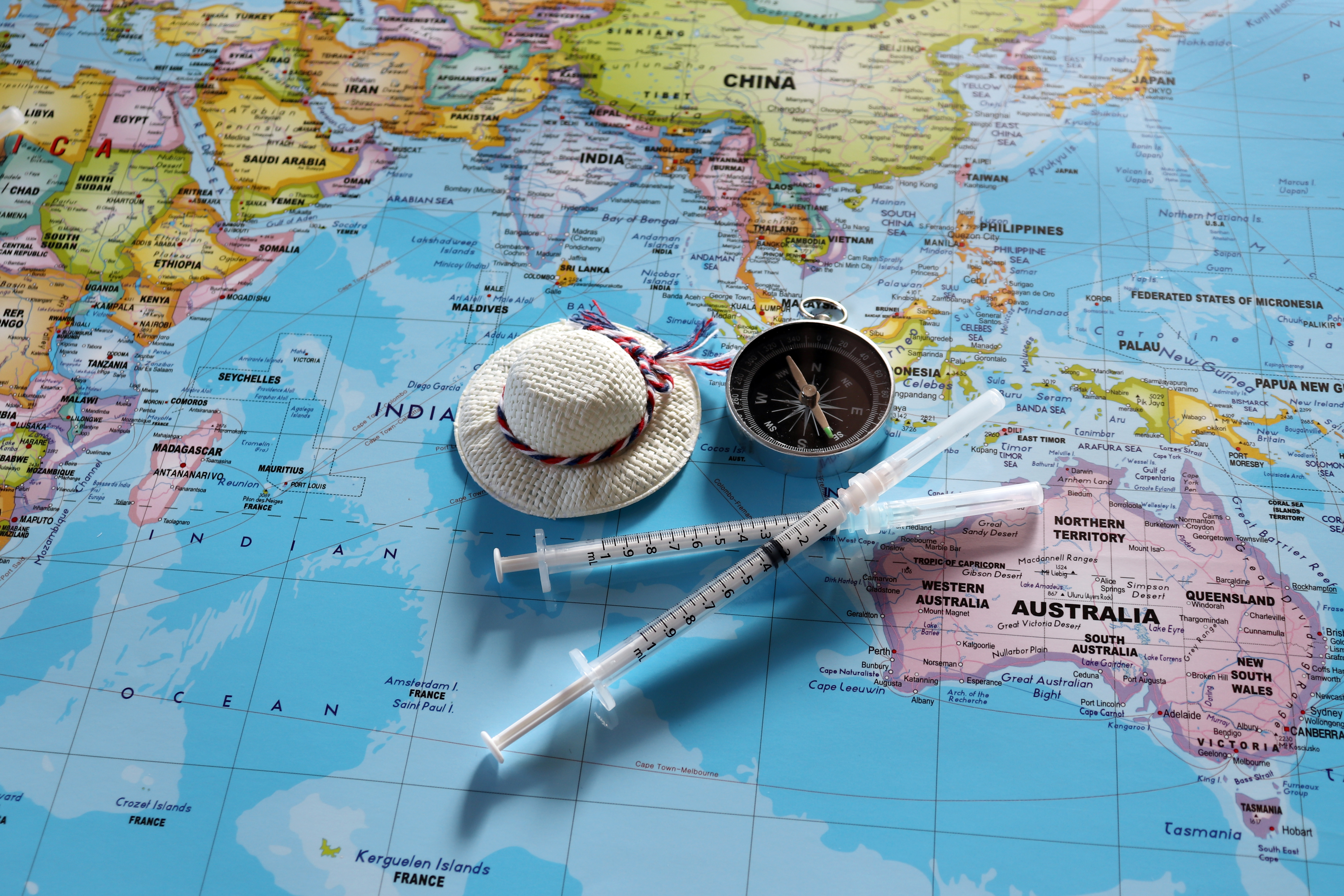
Consulting with a Healthcare Professional
Before you travel, schedule a visit with your GP or a travel clinic. They can provide personalized advice based on your destination, planned activities, and medical history. It's recommended to do this at least eight weeks before your departure.
Healthcare professionals can also advise on any booster shots required and the timing of vaccinations. This ensures maximum effectiveness of the vaccines.
Essential Vaccinations for Travelers
Some vaccinations are considered essential for travelers, depending on your destination. These may include:
- Hepatitis A and B: Commonly recommended for many destinations.
- Typhoid: Advised for areas with poor sanitation.
- Yellow Fever: Required for certain countries in Africa and South America.
Checking Country-Specific Requirements
Different countries have varying vaccination requirements and recommendations. For instance, some destinations may require proof of vaccination for diseases like Yellow Fever. Always check the Foreign, Commonwealth & Development Office (FCDO) travel advice for the latest updates on vaccination requirements.
It's also wise to carry your International Certificate of Vaccination or Prophylaxis (ICVP) as proof of immunization.
Additional Health Precautions
Aside from vaccinations, consider other health precautions like malaria prophylaxis if you're traveling to a region where malaria is prevalent. Your healthcare provider can guide you on the need for preventive medication.
Staying Informed
Stay informed about health risks in your destination by regularly checking travel advisories. Adjust your travel plans if necessary to ensure your safety and well-being.
Remember, taking these precautions not only protects you but also helps prevent the spread of diseases across borders.