Vaccination Advice for Traveling Abroad from the UK: What You Need to Know
Traveling abroad can be an exciting adventure, but it's crucial to ensure you're properly prepared, especially when it comes to vaccinations. Whether you're planning a holiday, business trip, or a long-term stay, understanding the vaccination requirements for your destination is essential for a safe journey.

Why Vaccinations Are Important
Vaccinations help protect you from diseases that may not be prevalent in the UK but are common in other parts of the world. They are a form of preventive healthcare that can save you from serious illnesses. When you travel, you may be exposed to diseases your body isn't accustomed to fighting off, making vaccinations even more important.
Moreover, some countries require proof of vaccination for entry. Having the necessary vaccinations can prevent unexpected disruptions to your travel plans, ensuring a smooth and enjoyable trip.
Consulting a Healthcare Professional
Before traveling, it's advisable to consult with a healthcare professional, such as your GP or a travel clinic. They can provide personalized advice based on your health history and travel itinerary. Ideally, this consultation should happen at least 6 to 8 weeks before your departure to allow time for any necessary vaccinations to take effect.

Common Vaccinations for Travelers
The vaccinations you need will depend on your destination and the activities you plan to undertake. Some common vaccinations for travelers include:
- Hepatitis A and B: Often recommended for travelers to areas with poor sanitation.
- Typhoid: Advised for those visiting regions where typhoid fever is prevalent.
- Yellow Fever: Required for entry into certain countries in Africa and South America.
- Rabies: Considered for those who may be at risk of animal bites.
Your healthcare provider can offer more specific recommendations based on your travel plans.
Understanding Vaccine Records
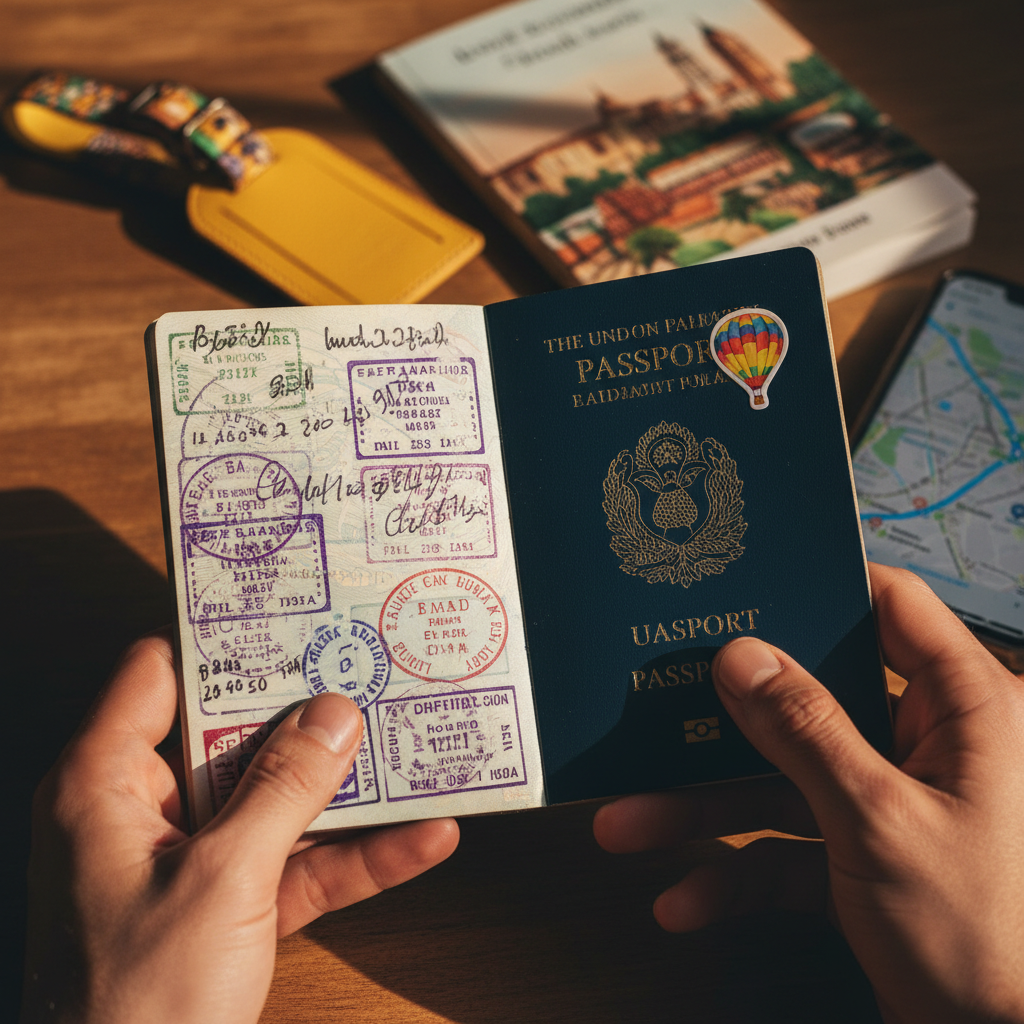
It's important to keep a record of your vaccinations. Some countries may request proof of vaccination, like the Yellow Fever certificate, upon entry. Ensure you have all necessary documentation organized and accessible during your travels.
Additional Precautions
In addition to vaccinations, consider taking other health precautions like mosquito repellent, especially if you're traveling to areas known for malaria or dengue fever. Staying informed about the health risks of your destination can further protect your wellbeing.
Remember, healthy travel is not just about vaccinations. It includes staying hydrated, eating safe foods, and practicing good hygiene.
Conclusion
Ensuring you have the right vaccinations is a fundamental step in preparing for international travel. By consulting with healthcare professionals and staying informed, you can safeguard your health and make the most of your adventures abroad. Safe travels!